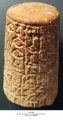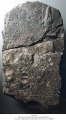
MS in Neo Babylonian on black stone, Babylon, 604-562 BC, stele with rounded top: carving of the Tower of Babel from a front view with the standing figure of Nebuchadnezzar II with his royal conical hat, holding a staff in his left hand and a scroll with the rebuilding plans of the Tower.

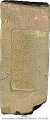
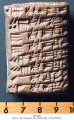
MS in Old Babylonian with a few names in Sumerian on clay, Isin, Babylonia, 1813 or 1812 BC, 1 tablet, 5,6x3,9x2,0 cm, 21 lines in Old Babylonian cuneiform script.
The collection of over 2000 examples is large to cover the Western scripts, comprising Europe, Near East and the Americas. The palaeography of the rest of the world is covered, albeit less comprehensively, through examples elsewhere in the special collections.
In the following, 37 MSS are listed out of a total of 630, starting with the beginning of the world literature ca. 2600 BC and ending with Shakespeare and Ibsen.
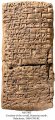
MS in Neo Sumerian on clay, Babylonia, 1900-1700 BC, 1 tablet, 10,6x5,0x2,2 cm, single column, 26 lines in cuneiform script, the lines on reverse missing.
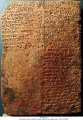
MS in Sumerian on clay, probably Larsa, Babylonia, 1900-1700 BC, 1 tablet, 24x17x5 cm, 2+2 columns, 42 lines in cuneiform script.
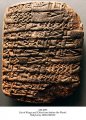
MS in Sumerian on clay, Babylonia, 2000-1800 BC, 1 tablet, 8,1x6,5x2,7 cm, single column, 26 lines in cuneiform script.

MS in Neo Sumerian and Old Babylonian on clay, Sumer, 2100-1800 BC, 1 tablet, 14,8x14,0x3,3 cm (originally ca. 16x14x3 cm), 3+3 columns, 103 lines in cuneiform script.
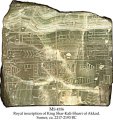
MS in Sumerian on light green translucent alabaster, Akkad, Sumer, ca. 2217-2193 BC, 1 partial tablet, 18 compartments remaining in a formal archaizing cuneiform script of high quality.