2. History

2.3 Assyrian History

MS 2004  

ROYAL ANNALS OF KING TIGLATH-PILESAR I

  1. CHRONICLE OF SEVERAL MILITARY CAMPAIGNS TO CONQUER NAIRI, LEBANON, AMURRU AND THE HITTITE EMPIRE
  2. CHRONICLE OF THE FIRST WAR BETWEEN ASSYRIA AND BABYLONIA: "I WENT TO BABYLONIA. FROM THE CITY RIKSU-SHA-ILI WHICH IS ON THE OTHER SIDE OF THE LOWER ZAB RIVER AS FAR AS THE CITY LUBDI I CONQUERED. I KNOCKED DOWN THEIR TOWNS AND BURNT THEM WITH FIRE, THEIR POSSESSIONS AND THEIR PROPERTY I CARRIED OFF TO MY CITY ASHUR. I WENT TO THE LAND SUHA - VARIOUS TOWNS WHICH ARE IN THE MIDST OF THE EUPHRATES I CONQUERED. THEIR POSSESSIONS WITHOUT NUMBER I TOOK AWAY. I TORE UP THEIR FIELDS. I CUT DOWN THEIR ORCHARDS"
  3. CHRONICLE OF THE SECOND WAR BETWEEN ASSYRIA AND BABYLONIA: "AT THE COMMAND OF NINURTA, THE GOD WHO LOVES ME, FOR THE SECOND TIME TO BABYLONIA I WENT. SIPPAR, BABYLON, UPI, THE GREAT SETTLEMENTS OF BABYLONIA I CONQUERED TOGETHER WITH THEIR FORTRESSES. THEIR POSSESSIONS AND THEIR PROPERTY WITHOUT NUMBER I TOOK AWAY. THE PALACES OF BABYLON, THE CITY OF MARDUK-NADIN-AHHI, KING OF BABYLONIA, I KNOCKED DOWN. THE MANY OBJECTS OF HIS VARIOUS PALACES I CARRIED OFF. THE KING OF BABYLONIA, IN THE STRENGTH OF HIS SOLDIERS AND HIS CHARIOTS HE PUT HIS TRUST, AND HE CAME AFTER ME. IN THE CITY SITULA WHICH IS NORTH OF THE CITY AKKAD WHICH IS OPPOSITE THE TIGRIS RIVER, HE ENGAGED IN BATTLE WITH ME. HIS MANY CHARIOTS I DISPERSED, THE DEFEAT OF HIS WARRIORS AND HIS FIGHTERS IN THE MIDST OF THAT BATTLE I BROUGHT ABOUT. HE RETREATED AND RETURNED TO HIS LAND"
  4. DETAILED ACCOUNT OF THE REBUILDING OF THE GREAT CITY WALL OF PAKUTE AND ITS PRINCIPAL PALACE

MS in Middle Assyrian on clay, Assyria, 1115-1077 BC, 1 tablet, 19,7x14,5x3,3 cm, single column, 35+35 lines in Assyrian cuneiform script, with 60 "fire holes".


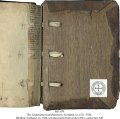
Binding: Barking, Essex, 1995, quarter green morocco gilt folding case, by Aquarius.

Context: Another inscription of Tiglath-pileser is MS 2795.

Commentary: The present tablet represents a major new contribution to the history of the world in its detailed account of two hitherto unknown wars between 2 of the 3 greatest powers of the period, Assyria and Babylonia, texts 2 and 3. The campaigns in text 1 are known from other sources, while the city Pakute in text 4 is attested here for the first time.

MS 2004

Exhibited: "Preservation for access: Originals and copies". On the occasion of the 1st International Memory of the World Conference, organized by the Norwegian Commission for UNESCO and the National Library of Norway, at the Astrup Fearnley Museum of Modern Art, Oslo, 3 June - 14 July 1996.

back to top top
MS 711  
ROYAL INSCRIPTION OF ASSURNASIRPAL II: CALAH I RESTORED. A TEMPLE OF MY LADY I ESTABLISHED THERE. THIS TEMPLE DEDICATED TO THE GODS AND SUBLIME, WHICH WILL ENDURE FOREVER, I WILL DECORATE SPLENDIDLY. PART OF THE "STANDARD INSCRIPTION" FROM THE ROYAL PALACE IN CALAH, MENTIONED IN THE BIBLE

MS in Assyrian on basalt stone, Nimrod (Calah), Assyria, 883-859 BC, 1 plaque, 43x26 cm, single column, (43x23 cm), 10 lines in display cuneiform script. Complete standard inscription: ca. 50x225 cm (ca. 45x215), 21 long lines with friezes over and below (both ca. 70x225 cm).


Context: Most of the reliefs and inscriptions are in British Museum and Louvre. Further holdings in New York Historical Society, Metropolitan Museum of Art and Yale University.

Commentary: From the East Wing of the Palace, room I. The site of the temple is mentioned in Genesis 10:11-12: "Out of that land went forth Assur, and builded Nineveh, and the city of Rehoboth, and Calah, and Resen between Nineveh and Calah, the same is a great city". Genesis 10:1-12 mentions that the builder of Calah was Nimrod, son of Cush, son of Ham, son of Noah. The "standard inscription" is a 22-line text that records Assurnasirpal's victories, his greatness and describes the building of his palace at Calah.

MS 711

The inscription exists in many variants, all of which come from the slabs lining the walls of the palace. The version presented here is recorded by Y. Le Gac: Les incriptions d'Ashur-nasir-pal II, roi d'Assyrie. Paris 1908, p. 187. What makes the present inscription of interest, is that it includes a detailed description of the very palace that it adorned, and that Calah is directly referred to in Genesis 10:11-12.

back to top top
MS 2848 MS 2848
ROYAL INSCRIPTION OF ADAD-NIRARI III: - MY DREAD OVERWHELMED THEM - I CONSTRUCTED A CITY - I WENT UP AND MADE SACRIFICES - PRIME SON OF ASSUR-NASIR-APLI - PRINCES HAS NO RIVAL - SON OF TUKULTI-NINURTA

MS in Neo Babylonian on bronze, Assyria, 811-783 BC, lower part of the garment of a giant statue, 42x26x5-10 cm remaining, single column, 19 lines in a large formal cuneiform script, the lower border of the garment, 6x18 cm, divided into 4 square compartments with decorative designs of Assyrian type.


Commentary: A unique royal inscription. There seems to be no other remains of so large a statue of an Assyrian king surviving. Assur-nasir-apli II was the son of Tukulti-Ninurta II and the great grandfather of Adad-nirari III.

back to top top
MS 2368  
ROYAL INSCRIPTION OF SARGON II OF ASSYRIA, DESCRIBING HIS CONQUESTS GENERALLY, MENTIONING: BIT-HABAN, PARSHUMASH, MANNAEA, URARTU; THE HEROIC MAN WHO DEFEATED HUMBANIGASH, KING OF ELAM; WHO MADE THE EXTENSIVE BIT-HUMRIYA (HOUSE OF OMRI) TOTTER, THE DEFEAT OF MUSRU IN RAPIHU; BOUND TO ASHUR, WHO CONQUERED THE TAMUDI; WHO CAUGHT THE IONIANS IN THE SEA LIKE A BIRD-CATCHER; ALSO BIT-BURTASHA, KIAKKI AND AMRISH, THEIR RULERS; WHO DROVE AWAY MITÂ (MIDAS), KING OF MUSHKU; WHO PLUNDERED HAMATH AND CARCHEMISH; GREAT HAND CONQUERED, THE DEVASTATOR OF URARTU, MUSASIR; THE URARTIANS BY THE TERROR OF HIS WEAPONS, KILLED BY HIS OWN HANDS; WHO DESTROYED THE PEOPLES OF HARHAR, WHO GATHERED THE MANNAEANS, ELLIPI; WHO CHANGED THE ABODE OF PÂPA, LALLUKNU; WHO FLAYED THE SKIN OF ASHUR-LÊ'I, THEIR GOVERNOR; WHO IMPOSED THE YOKE OF ASHUR ON SHURDÂ; FROM MELIDU, HIS ROYAL CITY; THE FEARSOME ONSLAUGHT, WHO HAD NO FEAR OF BATTLE, - MS 2368

MS in Neo Babylonian on clay, Nimrod, Assyria, 722-705 BC, 1 partial 8-facetted prism, 6,2x12,0 cm remaining, 8 lines in cuneiform script.

Context: 1 fragment of a cylinder with the same inscription, also in Neo Babylonian, is known.

Commentary: The present MS is related to the clay cylinders from Khorsabad, but they are in Assyrian. These cylinders were written in Nimrud, Assyria, for being sent to Babylonian cities to be deposited in foundation deposits in buildings in Babylonia.

back to top top
MS 2180  
TO NABÛ, EXALTED LORD, WHO DWELLS IN EZIDA, WHICH IS IN NINEVEH, HIS LORD: I ASHURBANIPAL, KING OF ASSYRIA, THE ONE LONGED FOR AND DESTINED BY HIS GREAT DIVINITY, WHO, AT THE ISSUING OF HIS ORDER AND THE GIVING OF HIS SOLEMN DECREE, CUT OFF THE HEAD OF TE'UMMAN, KING OF ELAM, AFTER DEFEATING HIM IN BATTLE, AND WHOSE GREAT COMMAND MY HAND CONQUERED UMMAN-IGASH, TANMARIT, PA'E AND UMMAN-ALTASH, WHO RULED OF ELAM AFTER TE'UMMAN. I YOKED THEM TO MY SEDAN CHAIR, MY ROYAL CONVEYANCE. WITH HIS GREAT HELP I ESTABLISHED DECENT ORDER IN ALL THE LANDS WITHOUT EXCEPTION. AT THAT TIME I ENLARGED THE STRUCTURE OF THE COURT OF THE TEMPLE OF NABÛ, MY LORD, USING MASSIVE LIMESTONE. MAY NABÛ LOOK WITH JOY ON THIS, MAY HE FIND IT ACCEPTABLE. BY THE RELIABLE IMPRESS OF YOUR WEDGES MAY THE ORDER FOR A LIFE OF LONG DAYS COME FORTH FROM YOUR LIPS, MAY MY FEET GROW OLD BY WALKING IN EZIDA IN YOUR DIVINE PRESENCE MS 2180

MS in Neo Assyrian on limestone, Nineveh, Assyria, ca. 646 BC, 1 limestone slab, 47x42x4 cm, single column, 19 lines in Neo Assyrian cuneiform script.

Commentary: King Ashurbanipal (669-631 BC) rebuilt Ezida, the temple of Nabû, the god of writing. .

back to top top

>> PERSIAN, GREEK & BYZANTINE HISTORY